
Quick answer
Salish Sea water temperature ranges from 45°F (7°C) in January and February to 57°F (14°C) in August and September. The inland sea warms slowly through spring, peaks in late summer, then cools gradually into winter. These cold waters support the region's robust marine ecosystem, including salmon runs and resident orca populations, but require thermal protection for anyone spending extended time on or in the water.
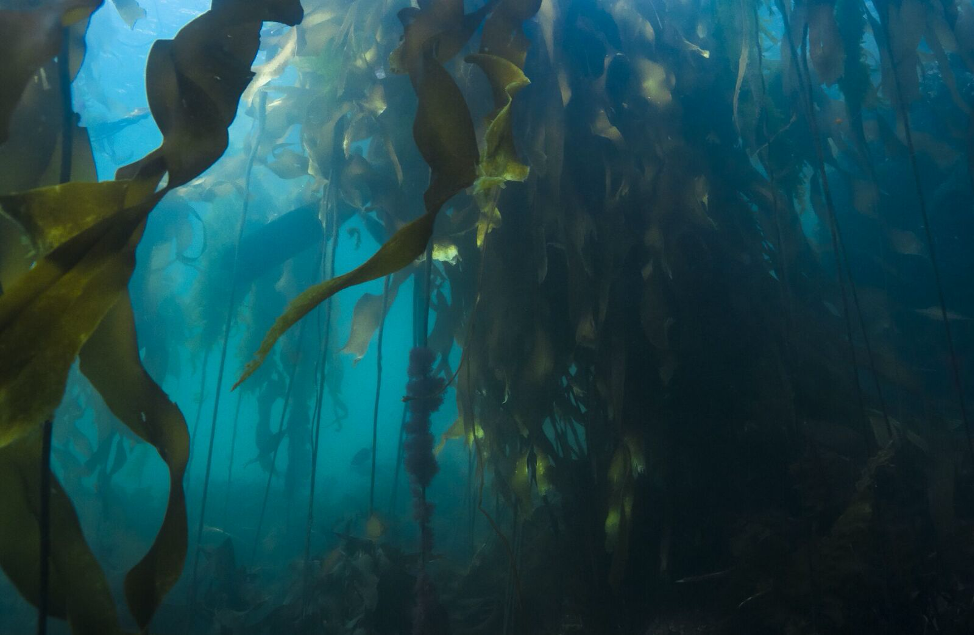
The Salish Sea never gets warm by ocean-swimming standards. Peak summer readings hover in the mid-50s Fahrenheit, cold enough that most visitors wear layers even on sunny days. These temperatures reflect the sea's unusual geography: a network of deep channels, narrow straits, and protected inlets that trap cold Pacific water while limiting solar heating. The Fraser River adds seasonal freshwater, creating a cooler surface layer that persists through much of the year. Winter brings the coldest conditions, with surface temperatures dropping to the mid-40s from December through March. Spring warming begins slowly in April, climbing only a few degrees per month as snowmelt flows from the Cascade and Olympic ranges. By June, thermal stratification sets in—warmer water sits atop colder depths, and the difference can exceed 10 degrees within the top 30 feet. This layering concentrates plankton blooms near the surface, drawing baitfish and the marine mammals that follow them. August and September mark the thermal peak, when extended daylight and reduced wind mixing push temperatures toward their annual high. Even then, the Salish Sea remains cooler than coastal Washington and Oregon beaches, where offshore winds pull warmer surface water toward shore. The inland sea's complex bathymetry and tidal exchange maintain year-round cold, a key factor in the region's productivity. Commercial and recreational mariners track these patterns closely, as surface temperature correlates with salmon migration timing and the movement of transient orca pods through Haro Strait and Boundary Pass. October begins the descent back to winter baselines, with surface readings falling steadily as storm systems increase mixing and daylight wanes. By November, water temperatures sit in the low 50s, and the annual cycle resets. These consistent cold conditions define the Salish Sea's character, sustaining kelp forests, eelgrass meadows, and the densest concentrations of marine life in the Pacific Northwest.
“The Salish Sea remains cooler than coastal beaches year-round, a thermal signature that sustains the region's densest concentrations of marine life.”
Seasonal Salish Sea Water Temperature Trends
The Salish Sea experiences minimal seasonal temperature variation, though late summer offers the most temperate conditions for maritime activities. Visitors seeking the warmest water should plan excursions between July and September.
Winter (Dec–Feb)
Low crowdsCold, 42°F to 47°F
Water temperatures reach their annual minimum, requiring thermal gear for all boat activities.
Spring (Mar–May)
Moderate crowdsCooling, 47°F to 52°F
Conditions remain brisk, with seasonal plankton blooms often reducing underwater visibility.
Summer (Jun–Aug)
High crowdsWarmest, 53°F to 58°F
This window provides the highest water temperatures and longest daylight hours for observing marine life.
Fall (Sep–Nov)
Moderate crowdsCooling, 52°F to 48°F
Water temperatures gradually decline as air temperatures drop, signaling the return of migratory species.
Verdict: The best window for warmer water conditions is July through September, ideally during the best arrival window of 08:00–18:00.
Preparation Checklist for Salish Sea Water Temperature Exposure
Cold water demands proper gear and layering to stay safe and comfortable on the Salish Sea.
-
Pack thermal base layers — Water temperatures range 7–13°C year-round, requiring insulation.
-
Bring waterproof outer shell — Spray and wind chill amplify cold exposure on open water.
-
Wear neoprene gloves and booties — Extremities lose heat rapidly in contact with cold surfaces.
-
Layer fleece or synthetic insulation — Maintains warmth if outer layers get damp from sea spray.
-
Carry a windproof hat — Protects head and ears from persistent Pacific Northwest winds.
-
Bring dry change of clothes — Ensures comfort after exposure to cold, wet conditions.
Check availability
Common Questions About Salish Sea Water Temperature
Everything you need to know about salish sea water temperature