

Quick answer
Salish Sea boat tours reviews consistently rank operators on four factors: wildlife sighting success (orca encounters average 60–85% depending on season), vessel comfort (passenger loads range from 6 to 150), naturalist expertise, and weather cancellation policies. Top-rated tours depart from Friday Harbor, Anacortes, and Victoria, with May through September offering the highest sighting rates. Verified passenger feedback shows smaller boats (under 30 passengers) receive higher satisfaction scores for viewing angles and crew interaction, while larger vessels offer more amenities but less intimate wildlife encounters.
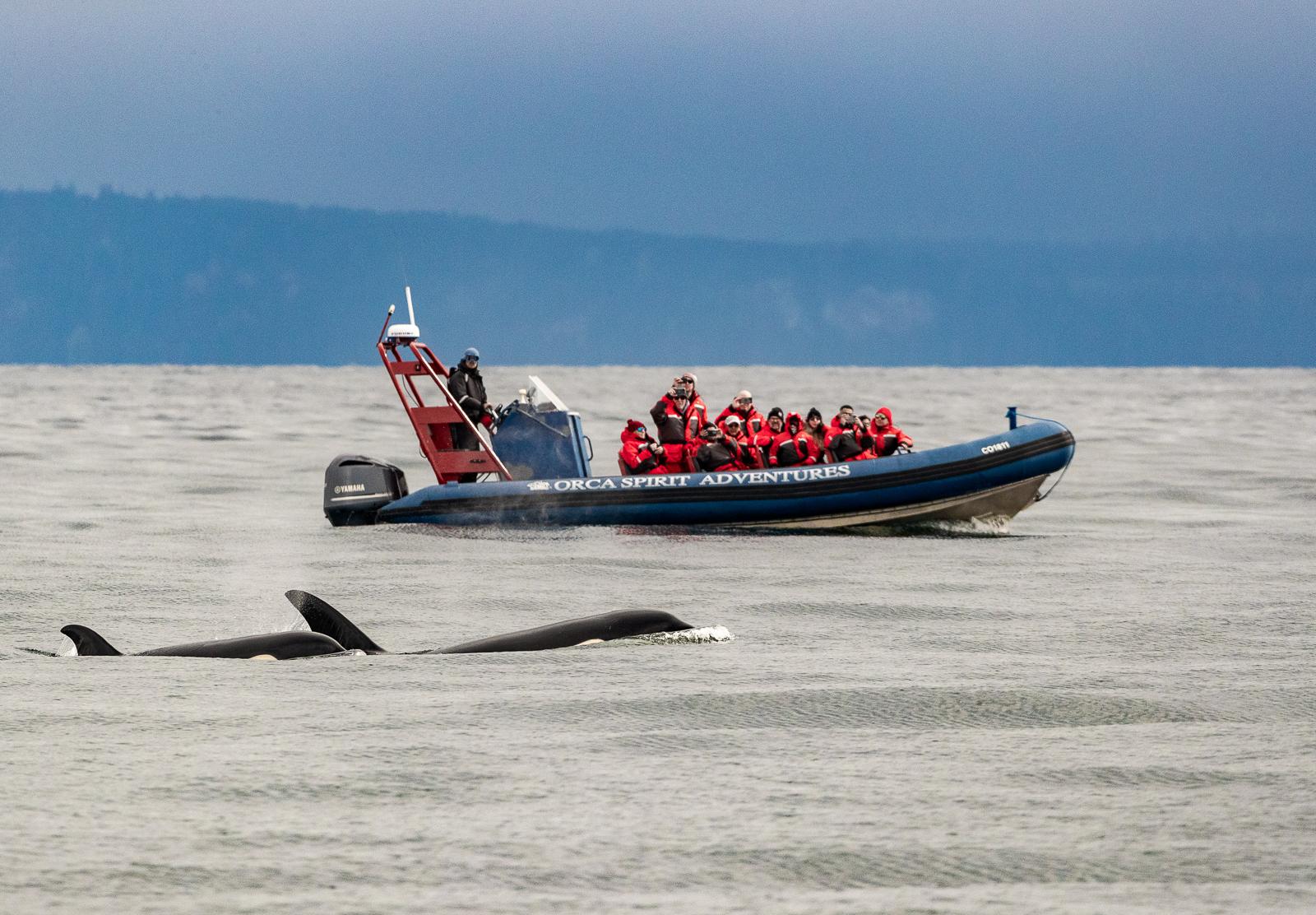
The Salish Sea supports one of the densest concentrations of marine mammals in North America, with three resident orca pods, migrating humpback whales, harbor seals, and Dall's porpoises frequenting the archipelago's tidal passages. This abundance has made the region a hub for wildlife cruises, but not all tours deliver the same experience. Passenger reviews from the past two years reveal that sighting success depends heavily on departure location, seasonal timing, and whether operators use hydrophone networks to track whale movements in real time. Operators fall into three categories: small Zodiac-style boats carrying 6 to 12 passengers, mid-size vessels holding 30 to 50, and large tour ships accommodating 100 or more. Salish Sea boat tours reviews show that Zodiac tours earn the highest marks for proximity to wildlife and maneuverability in narrow channels, but they expose passengers to wind and spray. Mid-size boats balance comfort with viewing quality, offering heated cabins and outdoor decks. Large ships provide stability and onboard amenities—restrooms, food service, indoor seating—but passengers report crowded railings and limited visibility from interior seats. Crew expertise separates highly rated tours from average ones. The best-reviewed operators employ certified marine naturalists who explain orca social structure, identify individual whales by dorsal fin markings, and contextualize migration patterns. Tours that treat wildlife as photo opportunities rather than educational encounters receive lower ratings. Cancellation policies also matter: Pacific Northwest weather shifts rapidly, and operators with flexible rescheduling or full refunds for fog and high wind earn better feedback than those enforcing strict no-refund rules. Marine tour feedback indicates that morning departures (8:00–10:00 AM) yield higher sighting rates than afternoon slots, particularly during summer months when orcas feed on migrating salmon near kelp beds and rocky shorelines. Passengers booking multi-operator comparisons note that tours departing from the San Juan Islands' west side encounter whales more reliably than those starting from mainland ports, though transit time to prime viewing areas varies by route.
“The best-reviewed operators employ certified marine naturalists who explain orca social structure, identify individual whales by dorsal fin markings, and contextualize migration patterns.”
Evaluating Salish Sea Boat Tours Reviews: A Practical Guide
Focus on operational specifics within reviews to identify operators that prioritize safety, environmental stewardship, and educational depth.
Wildlife distancing practices
Look for mentions of operators maintaining specific distances from marine mammals, which indicates adherence to federal guidelines. Reviews praising close-up encounters should be viewed with skepticism regarding regulatory compliance.
Staff expertise and education
Prioritize reviews that highlight staff who provide biological context rather than just photo opportunities. Consistent praise for a naturalist on board suggests a focus on the ecosystem over simple vessel movement.
Safety and vessel maintenance
Scan reviews for mentions of organized safety briefings and the condition of life-saving equipment. Consistent reports of well-maintained gear reflect an operator's commitment to baseline safety protocols.
Consistency across multiple platforms
Compare reviews across different travel aggregators to spot patterns in service quality. If an operator has high ratings on one site but frequent complaints about reliability elsewhere, examine the negative feedback for recurring logistical issues.
Reporting of weather cancellations
Check how reviews describe an operator's handling of cancellations due to conditions. Professional operators will have clear, fair policies, whereas consistent complaints about poor communication during weather delays indicate poor management.
Zodiac vs. Covered Vessel Salish Sea Boat Tours Reviews
Choosing between a Zodiac and a covered vessel depends on whether you prioritize high-speed mobility or onboard climate control while exploring the Salish Sea. Guest feedback highlights distinct trade-offs between these boat types regarding comfort and the proximity to the marine environment.
| Zodiac Open-air rigid inflatable |
Top pick Covered Vessel Enclosed cabin cruiser |
|
|---|---|---|
| Vessel Type | Rigid inflatable boat | Enclosed motor vessel |
| Speed and Maneuverability | High speed with agile movement | Moderate speed for steady cruising |
| Weather Protection | None; exposure to wind and spray | Fully enclosed cabin with heating |
| Viewing Experience | Low-profile, 360-degree open views | Elevated, through cabin windows and decks |
| Recommended Audience | Thrill-seekers and photography enthusiasts | Families and those desiring comfort |
Verdict: Select a Zodiac for a dynamic, close-to-the-water experience, or choose a covered vessel for a climate-controlled environment suitable for longer durations.
Optimal Timing for Salish Sea Boat Tours Reviews
The period from May through September offers the highest probability of whale sightings and favorable marine conditions for boat tours. During these months, resident and transient orcas, along with humpback whales, are most active across the ecosystem.
May and June
ModerateCool, 10°C to 18°C
Wildlife activity begins to increase as salmon runs draw predators into the region. Waters remain relatively calm during these shoulder season months.
July and August
HighWarm, 15°C to 24°C
This window aligns with peak whale presence and settled summer weather patterns. Expect busy docks and higher demand for tour availability.
September
ModerateMild, 12°C to 20°C
Marine mammals remain present while vessel traffic decreases significantly. This month offers a balance of active wildlife and more manageable crowd levels.
Weekday mornings
Low—
Morning departures often encounter calmer sea states before afternoon winds develop. Choosing a weekday helps avoid the increased volume of weekend visitors.
Verdict: For optimal conditions, plan your tour during weekday mornings in either June or September to balance wildlife activity with lower visitor density.
Common Mistakes to Avoid When Reading Salish Sea Boat Tours Reviews
Reviewers often misinterpret tour descriptions or arrive unprepared for conditions on the water. Understanding these patterns helps you choose the right operator and set realistic expectations.
Assuming all tours guarantee whale sightings
No operator can guarantee wildlife encounters. Reviews mentioning "no whales" reflect natural variability, not poor service. Check refund or reschedule policies instead of expecting certainty.
Booking warm-weather gear only
The Salish Sea remains cold year-round, and wind chill on open boats drops temperatures further. Reviewers citing discomfort typically wore casual clothing. Dress in layers with windproof outer shells regardless of season.
Ignoring vessel type in reviews
A negative review of an open Zodiac may reflect the reviewer's preference for enclosed cabins, not the tour quality. Match vessel descriptions to your own comfort with exposure and motion.
Comparing tour lengths without checking itineraries
A three-hour tour covering 50 miles differs vastly from three hours in a single bay. Reviewers praising or criticizing duration often overlook route density. Verify whether the operator prioritizes distance or observation time.
Dismissing tours with mixed wildlife reviews
Sightings vary by season, tide, and daily movement patterns. A tour with scattered wildlife reviews may still excel in narration, vessel comfort, or access to specific habitats. Read beyond the sighting count.
Salish Sea Boat Tours Reviews: Pre-Departure Checklist
Salish Sea boat tours demand preparation beyond standard sightseeing—cold marine air, fast-changing weather, and wildlife photography opportunities require specific gear and planning.
-
Layer merino base with waterproof shell — Pacific Northwest marine air drops temperatures 10–15°F on water, even in summer.
-
Pack anti-nausea medication 30 minutes prior — Open-water swells in the Strait of Georgia and Juan de Fuca affect 40% of first-time passengers.
-
Bring image-stabilized binoculars or lenses — Whale-watching requires 200mm+ reach; boat vibration blurs non-stabilized optics.
-
Confirm operator's cancellation policy 48 hours ahead — Weather-dependent departures cancel frequently; some operators offer rebooking, others credit only.
-
Wear soft-soled, non-marking shoes — Most vessels prohibit black-soled footwear to protect teak decks.
-
Download offline tide tables and marine charts — Cell service drops beyond 2 miles offshore; real-time conditions aid wildlife spotting.
Check availability
Frequently asked questions about salish sea boat tours reviews
Everything you need to know about salish sea boat tours reviews